
Structural Integrity in Logic Analytics
At Yangtze Logic Group, the value of data is inseparable from the validity of the logic applied to it. We reject "black box" outcomes, opting instead for a transparent verification standard that ensures every strategic insight is rooted in clean, traceable computational logic.
The Foundations of Accuracy
Data verification is commonly treated as a final check. For our Tokyo-based consulting team, it is the primary architecture. We manage the intersection of raw information and logical processing through three distinct layers of scrutiny.
By isolating the data source from the logical engine, we can stress-test the model independently of the inputs, identifying potential failures before they impact business decisions.
Input Sanity Rails
Automated filters that catch statistical anomalies at the point of ingestion.
Logic Branch Audits
Manual review of decision trees to ensure alignment with real-world physics and economics.

Verification Artifacts
"Precision is a byproduct of repetition and rigorous skepticism."
Semantic Consistency Checks
In any complex **logic analytics** engagement, terms must remain stable. We verify that variables defined in the initial data discovery phase maintain their semantic meaning throughout the entire processing pipeline.
- Elimination of variable drift
- Reference integrity across datasets
- Unit-of-measure synchronization
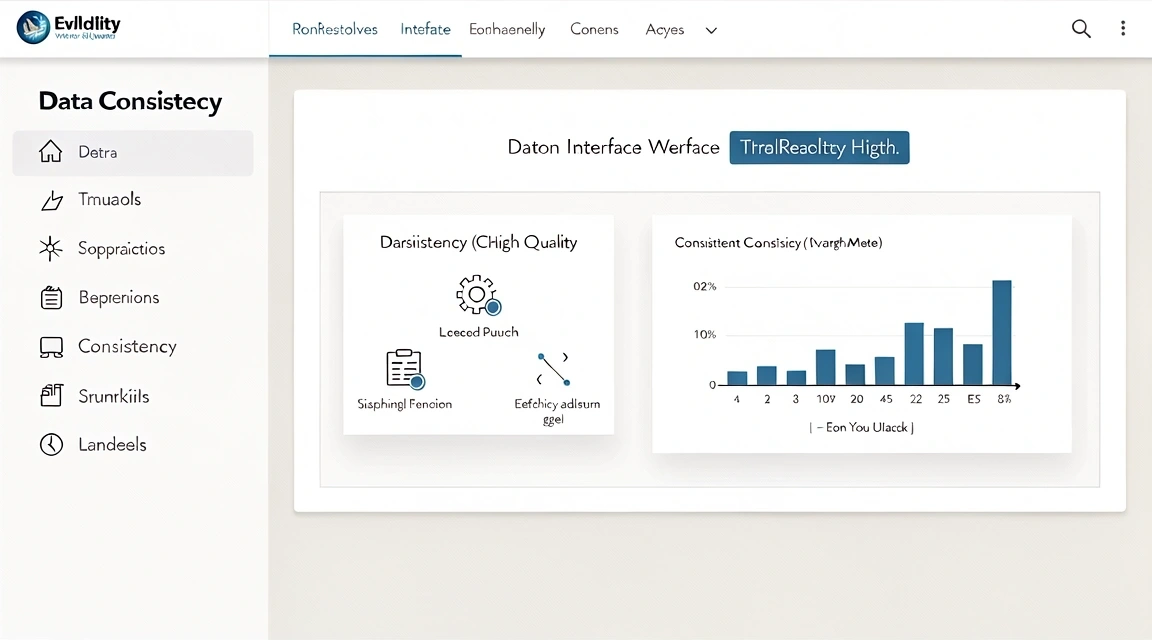
Cross-Validation Methodology
We don't rely on a single algorithm. Our **data** standards require that high-stakes conclusions be reached through at least two independent mathematical paths. If the outputs diverge by more than 1.5%, the logic is flagged for human intervention.
- Multi-modal algorithm testing
- Outlier sensitivity analysis
- Historical back-testing protocols

Execution Benchmarks
Our internal verification standards exceed industry norms because we understand that in logic consulting, "close enough" is a failure state. We maintain these benchmarks across every Tokyo 56 project.
Calculation Precision
Standard deviation tolerance for primary quantitative data clusters.
Human Signature
Every logical model is reviewed by a Senior Analytics Consultant before client delivery.
Anomaly Detection
Average time to identify and isolate ingestion errors in real-time streams.
Data Encryption
Encryption standards for all data at rest and in transit during verification phases.

Operationalizing Logical Quality Assurance
Isolation of Variables
We separate external influences from core logical operations to identify hidden biases or "ghost" correlations that can skew outcomes in large datasets.
Boundary Stress Testing
Our team pushes mathematical models to their breaking points using synthetic edge-case data to ensure stability during extreme market or operational shifts.
The Final Logic Seal
Final verification involves a peer-review session where logic leads attempt to disprove the findings. Only once the logic survives this "red team" attack is it finalized.
Ready to audit your data logic?
Discover how our verification standards can enhance the reliability of your strategic roadmap. We provide the clarity needed to act with absolute confidence.
Office Location
Tokyo 56, JP
Direct Inquiries
+81 3 3000 0256
Verification standards updated: March 28, 2026